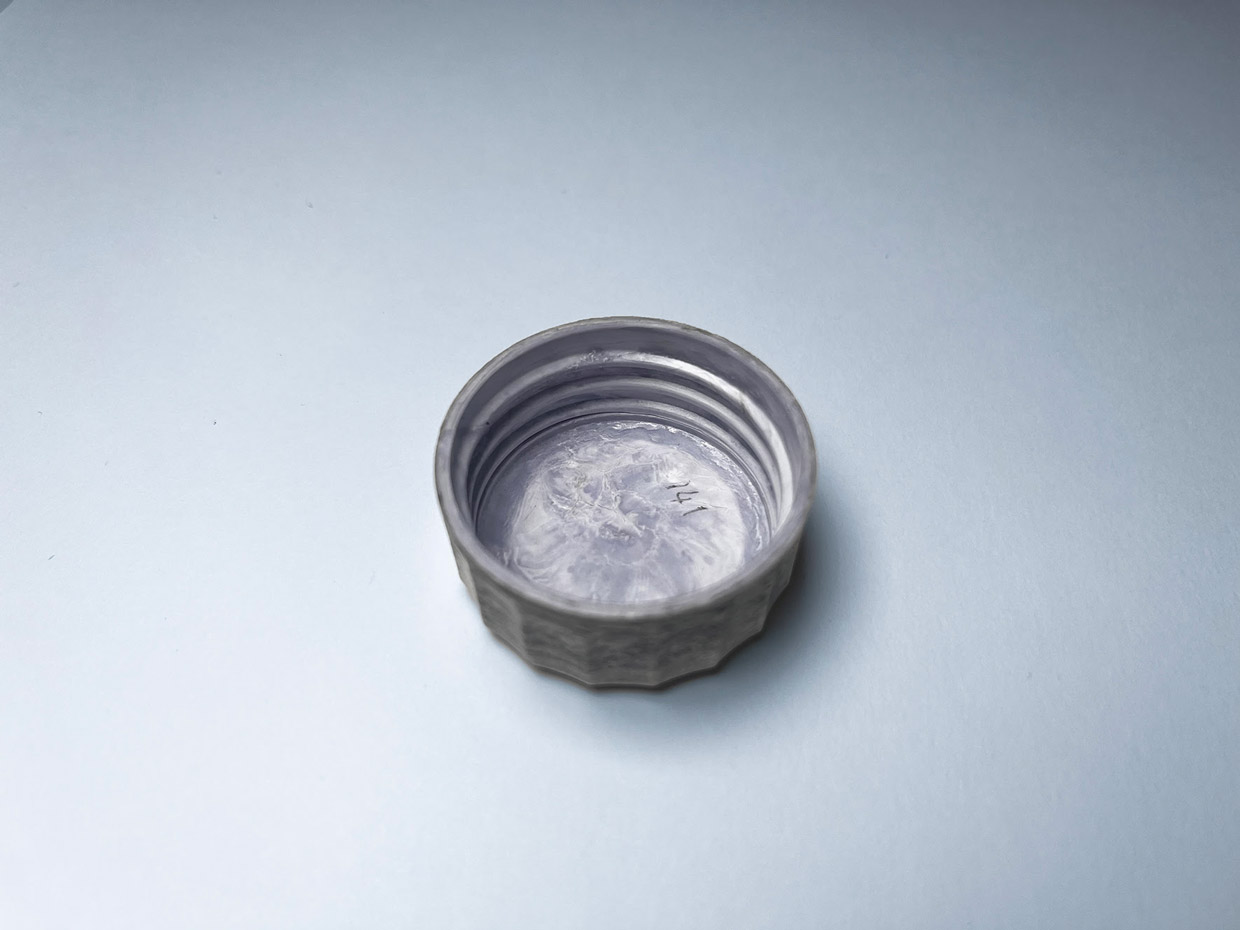
Caps and closures are emerging as one of the most challenging frontiers in the transition away from plastic packaging. While fibre-based materials have already gained ground in trays, containers and secondary packaging, replacing plastic in functional components such as caps remains significantly more complex.
A new development from PulPac, in collaboration with PA Consulting and Optima, aims to address this gap. The partners have introduced a new generation of dry molded fibre caps designed to deliver performance characteristics similar to conventional plastic closures.
The innovation builds on PulPac’s Dry Molded Fiber technology, a manufacturing process that forms packaging components from cellulose fibres using significantly less water and energy than traditional wet moulding techniques. The latest development focuses specifically on closures, a segment where mechanical strength, precision and user experience are critical.
According to the companies involved, the newly developed caps are engineered to provide a “plastic-like” feel and functionality, enabling fibre-based materials to be considered for applications traditionally dominated by plastic components.
Closures represent a crucial part of modern packaging systems, particularly in sectors such as beverages, personal care and household products. However, they are also one of the most difficult elements to redesign using alternative materials due to their structural requirements and compatibility with existing filling and sealing systems.
For this reason, innovations in fibre-based closures are attracting growing attention across the packaging industry. If scalable, solutions such as dry molded fibre caps could help reduce reliance on fossil-based plastics in packaging formats where substitution has historically proven difficult.
The development also reflects a broader industry trend toward expanding fibre-based materials into more complex packaging components, moving beyond traditional applications such as boxes and trays.
The new caps are expected to be presented publicly at interpack 2026, where PulPac and its partners will showcase the technology as part of their ongoing efforts to expand the potential applications of dry molded fibre.
As brands and regulators continue to push for more sustainable packaging solutions, closures may become one of the next key battlegrounds for material innovation.
Image Credits: PulPac