
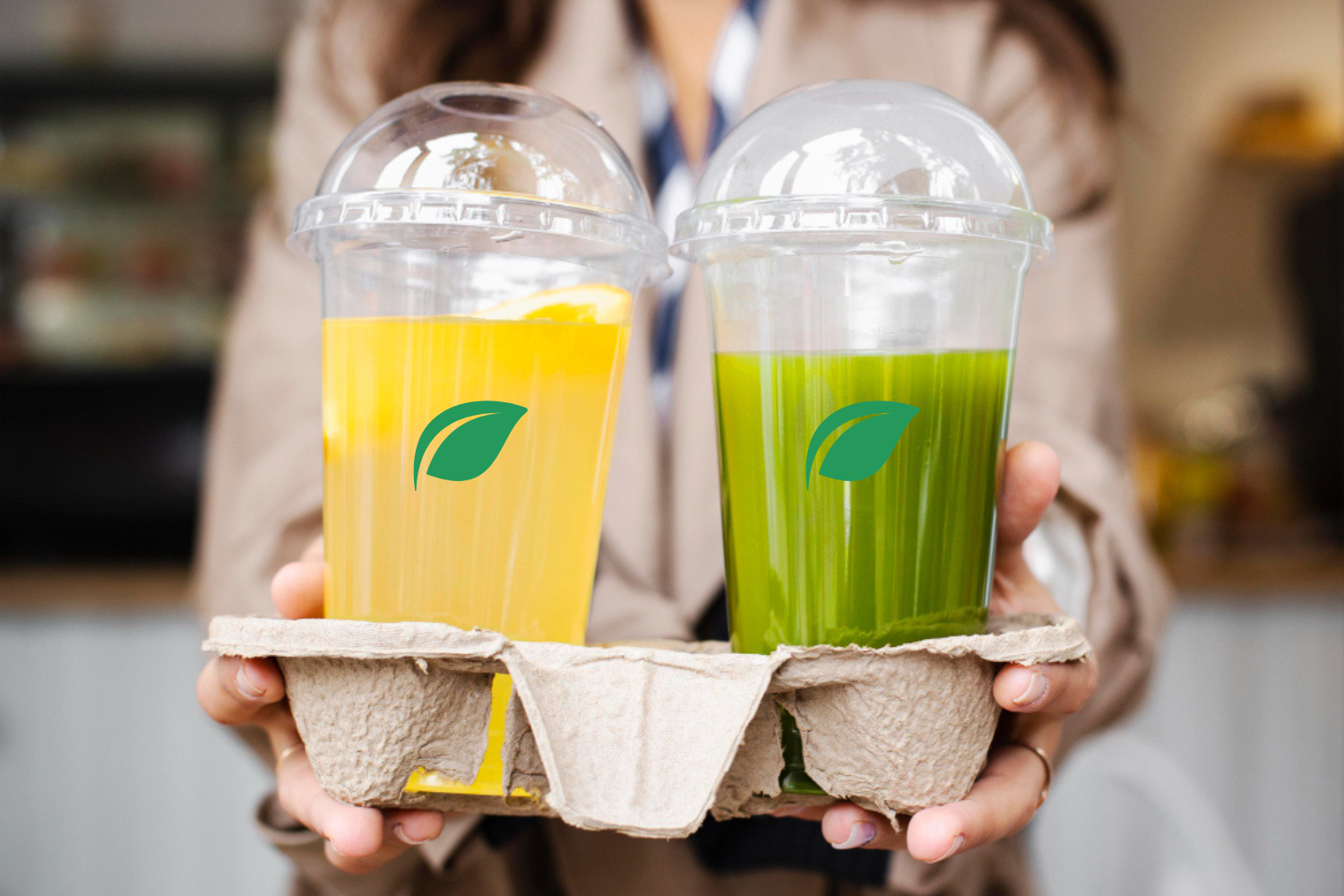
Bioplastics are no longer a fringe solution—they’re becoming the backbone of sustainable innovation in the food industry. The bioplastics packaging market is gaining ground: according to recent packaging statistics, the global use of bioplastics packaging for food applications has grown by 9.4% in 2024, marking a significant shift toward sustainable packaging solutions.
Driven by consumer demand for eco-friendly alternatives, regulatory pressure, and innovation in compostable materials, food manufacturers are increasingly adopting biobased and biodegradable packaging. The growth is most evident in single-use items like trays, wraps, and pouches, particularly in fresh produce and ready-meal segments.
The numbers speak volumes: packaging represents 45% of the global bioplastics market in 2024. Europe remains the leading region, accounting for over 50% of global bioplastics demand in food packaging, the Americas biodegradable segment projected to grow at a CAGR of 9.4% through 2030. Keyplayers are investing heavily in new technologies to improve compostable materials, making them stronger, more functional, and easier to process within circular waste systems. PLA (polylactic acid) and starch blends are among the most used materials, combining compostability with adequate barrier performance.
Despite the progress, challenges remain. High production costs, recycling infrastructure gaps, and concerns over compostability standards continue to slow down wider adoption. However, ongoing R&D and increased consumer awareness are expected to fuel further growth through 2025.As packaging statistics point toward greener alternatives, bioplastics are redefining what responsible packaging looks like—proving that what protects our food can also protect our future. Bioplastics packaging represents more than a trend—it’s becoming a strategic pillar in sustainability goals and brand positioning.

