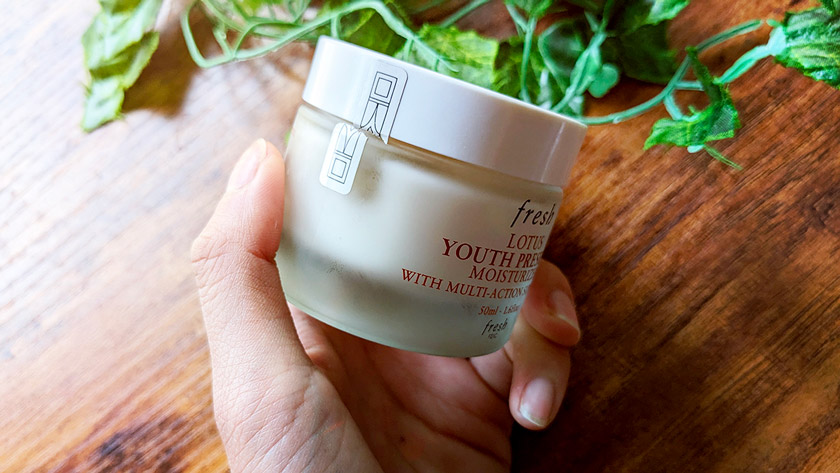
In the first week of January 2026, several packaging and personal-care trade outlets reported that the US Food and Drug Administration is “tightening” cosmetic packaging rules around tamper evidence.
The regulatory backbone, however, is not new: tamper-resistant packaging requirements for specific cosmetic categories have existed for decades under 21 CFR 700.25.
So where’s the real news for packaging professionals?
What’s new: the FDA’s messaging has become far more operational
A key driver is the FDA’s “Summary of Cosmetics Labeling Requirements” page, which is currently presented as a practical compliance reference and explicitly restates the tamper-resistant section in clear, packaging-friendly terms.
That matters because it turns a rule many teams treat as a legacy footnote into a design-and-artwork checklist that is hard to ignore especially for brands, converters and copackers that are standardising packs across markets.
What the rule really covers (and why some headlines are misleading)
Despite broad claims that tamper-evident packaging is being pushed for products used “near the eyes, mouth, or sensitive skin,” the regulation’s scope is narrower. 21 CFR 700.25 applies to cosmetic liquid oral hygiene products (e.g., mouthwashes/fresheners) and all cosmetic vaginal products when sold at retail and accessible to the public.
That discrepancy is important for B2B readers: it changes the SKU universe that needs an immediate packaging review.
The packaging details that create real project work
For in-scope products, 21 CFR 700.25 defines tamper resistance as a package with an indicator or barrier to entry that provides visible evidence if breached or missing.
The FDA’s labeling summary also points to common technology routes (shrink/tape seals, sealed cartons, tubes/pouches, aerosol containers) but the real complexity sits in execution: the tamper feature must be robust enough for shipping/retail handling and, crucially, the pack needs a prominent statement describing the tamper-resistant feature.
This is where packaging teams often stumble: if the only consumer statement lives on a removable seal, you can create a compliance gap the moment the seal is removed.
Why it matters now: enforcement is “checkable”
Beyond the web refresh and media attention, the FDA’s Cosmetics Compliance Program (CP 7329.001) frames how inspections and “for cause” actions are supported for suspected adulteration/misbranding, reinforcing that packaging and labeling are not theoretical requirements.
B2B takeaway: treat tamper evidence as a controlled packaging spec
For suppliers and brand packaging teams, the opportunity is clear: tamper evidence is not just a component choice; it’s a system spanning structure, distinctiveness, artwork placement and supply-chain performance. Start with a targeted audit of US-bound SKUs in the two categories above, then validate (1) barrier/indicator performance, (2) statement placement that survives seal removal, and (3) change control across closures/films/cartons.