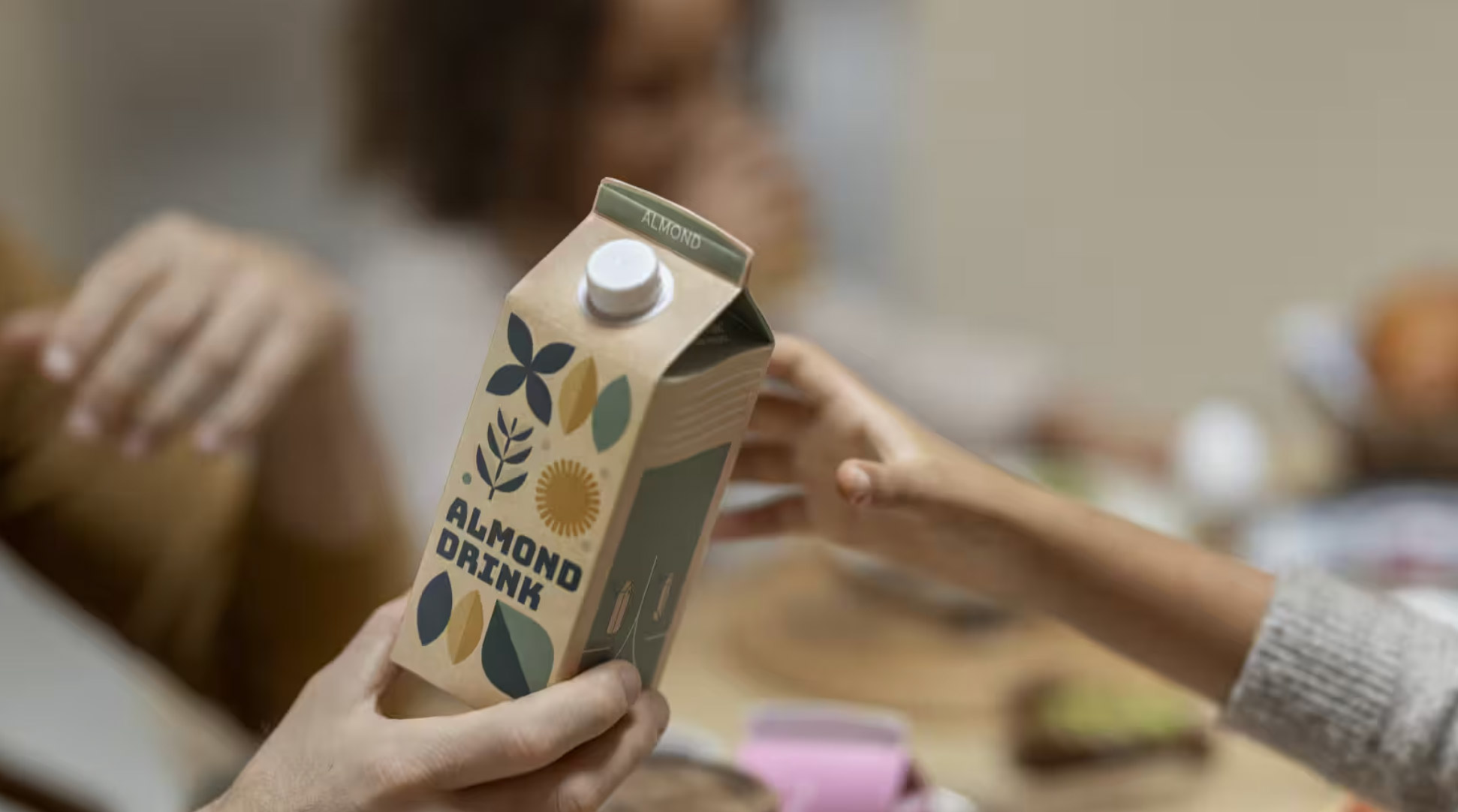
The package looks the same, it performs the same, most consumers would never notice a difference. Yet its carbon footprint may be significantly lower.
For years, sustainable packaging innovation has largely focused on visible changes: recyclable packaging, paper-based alternatives, lightweight structures and reusable systems. Increasingly, however, some of the industry’s most significant sustainability gains are becoming invisible.
Recent developments from Elopak illustrate this shift. The company has announced the introduction of low-carbon aluminium for its liquid packaging cartons, aiming to reduce the environmental impact of one of the packaging’s key barrier materials without changing the packaging format itself.
While the announcement focuses on a specific material, it reflects a broader trend across the packaging industry. Packaging sustainability is increasingly being addressed at the raw-material level, as brands and packaging manufacturers seek to reduce the carbon footprint of packaging throughout the supply chain.
Why low-carbon aluminium matters in carton packaging
One of the most interesting aspects of Elopak’s announcement is that it focuses on a component consumers rarely think about.
In liquid packaging cartons, aluminium typically represents only a small proportion of the total package by weight. However, its contribution to overall carbon emissions can be disproportionately significant due to the energy-intensive nature of aluminium production.
This means that reducing the carbon intensity of aluminium can have a measurable impact on the overall carbon footprint of carton packaging without requiring changes to product protection, shelf life or consumer experience.
As brands increasingly measure Scope 3 emissions and supply-chain impacts, materials such as low-carbon aluminium are attracting growing attention across the packaging sector.
Packaging sustainability is moving beyond recyclability
For much of the past decade, packaging sustainability discussions have centred on recyclability, recycled content and circular economy principles.
These priorities remain essential, particularly as regulations such as the PPWR continue to reshape packaging requirements across Europe.
However, a new dimension is becoming increasingly important: packaging decarbonisation.
Many companies are now looking beyond end-of-life considerations and focusing on emissions generated during material extraction, processing and manufacturing. This is pushing packaging manufacturers to explore lower-carbon alternatives across the entire packaging value chain.
In this context, low-carbon packaging materials are becoming an important complement to recyclability strategies rather than a replacement for them.
The industry’s sustainability agenda is expanding from circularity alone to include carbon reduction as a parallel objective.
The next sustainability gains may be invisible
One of the most interesting implications of this trend is that future packaging innovation may become less visible to consumers.
Unlike recyclable formats, fibre-based alternatives or reusable packaging systems, low-carbon materials do not necessarily change how packaging looks or functions.
The environmental benefit exists primarily within the supply chain itself.
For consumers, the package may appear identical. For brands working to reduce climate impacts and meet corporate sustainability targets, however, the difference can be substantial.
This suggests that some of the next major advances in packaging sustainability may not involve redesigning packaging formats at all. Instead, they may come from reducing emissions embedded within the materials used to create them.
A new chapter in packaging decarbonisation
Elopak’s low-carbon aluminium initiative is about more than a single packaging material.
It highlights a broader shift taking place across the packaging industry as companies increasingly focus on reducing emissions at the source. While recyclability and circularity will remain fundamental pillars of sustainable packaging, carbon intensity is emerging as another key metric shaping material selection and packaging development.
The package may look exactly the same, its environmental footprint, however, is starting to tell a different story.
Image Credits: Elopak