
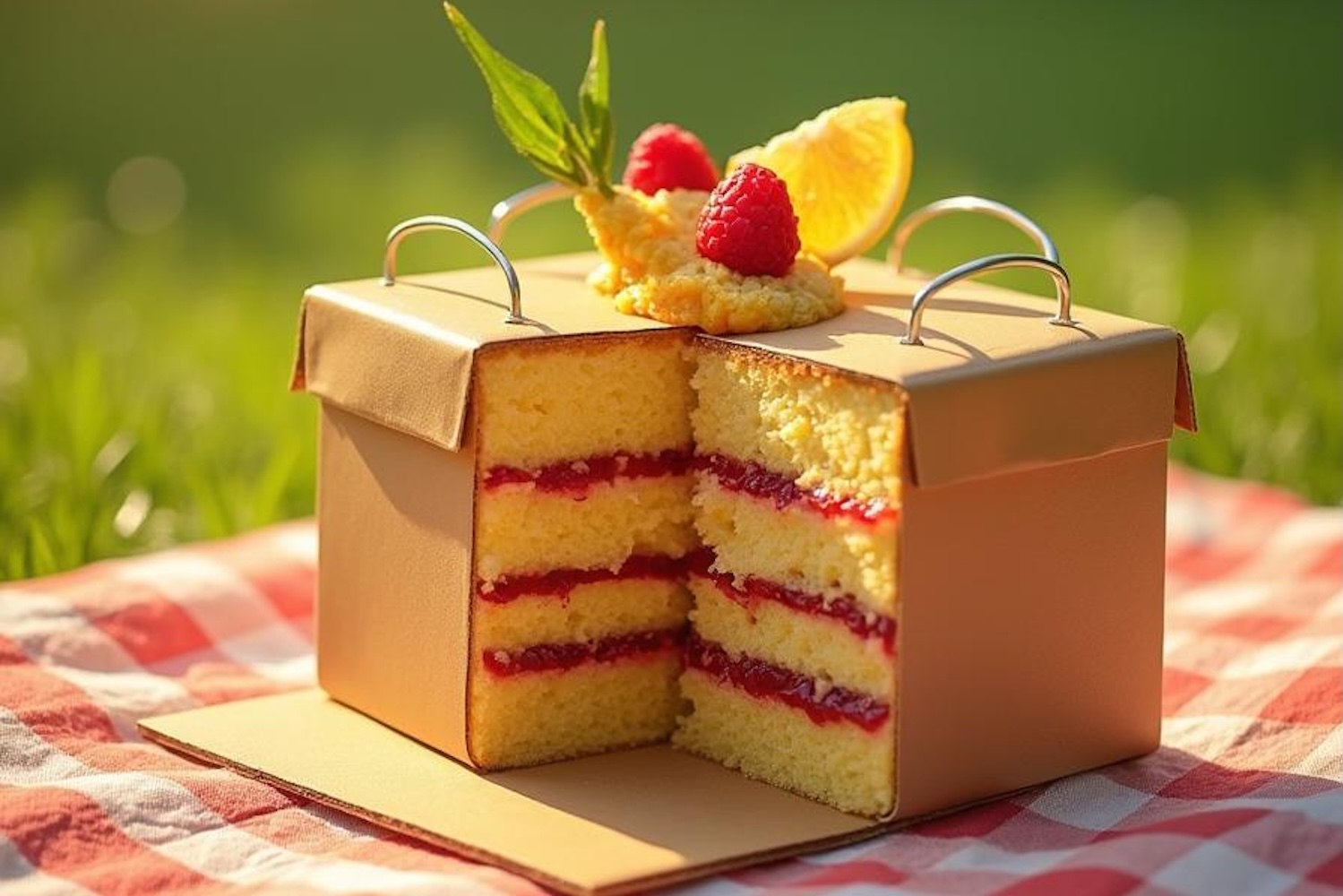
“Do you need a bag, sir?”
“Yes, please: I’ll eat it later!”
This awkward conversation can become reality very, very soon. In a packaging industry constantly searching for more sustainable solutions, edible packaging stands out as both intriguing and controversial. The promise? Wrappers, films and containers that don’t need to be recycled or composted — because they can be eaten. But is this trend truly scalable, or just a clever concept making headlines?
What Is Edible Packaging?
The expression “Edible packaging” refers to materials used to wrap or contain food that are safe to consume along with the product. From seaweed-based films to milk protein coatings, this innovation aims to reduce plastic waste, especially in the food and beverage industry. While it might sound futuristic, some versions have existed for years, even centuries: the ice cream cone itself is maybe the most renewed example, but think also about the rice paper around candies or the nori around sushi rolls. Aren’t they a form of food packaging, after all?
The difference with modern solutions is in their industrialization and scalability.
Recent developments, fueled by sustainability concerns and changing consumer habits, have brought edible packaging into the spotlight.
Talking numbers: more than a hype – not yet a trend.
According to a report by Towards Packaging, updated at the end of March, 2025, the edible packaging market to rise from USD 1.82 billion in 2024 and predicted to attain USD 6.85 billion by 2034, expanding at a CAGR of 14.2%. Drivers include increasing demand for biodegradable alternatives, rising awareness of plastic pollution, and growing interest in single-serve convenience. We must also consider that all international legislation aimed at diminishing plastic waste encourages and supports all sustainable packaging innovation. Other drivers are the increasing on-the-go consumption and the key role of e-commerce.
According to Global Market Insights, the most interested sectors in this revolution are Bakery and Confectionery (21.23%), Beverages (19.15%), Fruit and Vegetables (of course! 15.30%).
However, the edible packaging segment still represents a niche within the broader sustainable packaging landscape. Its growth potential is real, but tempered by production costs, regulatory scrutiny, and consumer acceptance.
Edible packaging: the Ingredients of Innovation
Several materials are gaining traction as viable edible packaging options:
- Seaweed & algae (e.g. Notpla): Renewable and fast-growing, used for films and sachets.
- Milk proteins (casein) (e.g. Lactips): Excellent oxygen barriers, promising for dry foods.
- Starch blends: Derived from corn, potato, or tapioca; already used in dissolvable pods.
- Gelatin & pectin: Applied in capsules or coatings for pills and candies.
- Rice or wheat films: Traditional but now redesigned for modern applications.
Each material offers different properties in terms of strength, solubility, taste, and shelf life. The real challenge lies in tailoring them to specific product types and distribution chains.
Startups Turning Heads in Edible Packaging
A number of companies are actively shaping the future of edible packaging. Among them:
- Notpla (UK): Known for its seaweed-based sachets and films. Partnered with Just Eat and the London Marathon to replace single-use plastic sachets source. Their most renewed product is Ooho, the edible water bubble.
- Evoware (Indonesia): Produces edible seaweed packaging aimed at reducing marine waste in Southeast Asia source.
- Lactips (France): Creates casein-based thermoplastic pellets for water-soluble packaging source.
- Banana Pack: Bolivian company that aims to replace cardboard boxes with packaging made from banana leaves, agricultural waste that is thus recycled and transformed into by-products. The company also uses banana fibers to produce biopolymers as an alternative to traditional plastic-based wrapping materials.
These projects show how edible packaging can move from concept to reality. So…
What’s Holding Back the Edible Packaging Revolution?
Despite the enthusiasm, edible packaging faces significant barriers before it can scale up:
- Shelf life and hygiene: Edible packaging must resist moisture, oxygen, and microbial contamination, without preservatives.
- Consumer perception: Many consumers remain hesitant about eating packaging — especially if it’s touched by others or exposed during handling.
- Cost and scalability: Edible films are generally more expensive than plastic, and harder to mass-produce consistently.
- Regulatory hurdles: As food products, these materials must comply with both food safety and packaging regulations — a complex and costly process depending on the region.
So, is edible packaging a real solution or just a green-washed gimmick?
The answer likely lies somewhere in between. While it may not replace plastic for all applications, edible packaging can offer unique value in specific scenarios — from event-based servings to health supplements, foodservice, or travel-friendly items. As regulations evolve and consumers grow more environmentally conscious, its role could expand.
Retailers and food brands curious about edible packaging shouldn’t see it as a silver bullet. But as part of a diversified sustainable strategy, it can reinforce innovation, strengthen ESG credentials, and appeal to next-gen consumers looking for radical eco-solutions — even if just one bite at a time.

