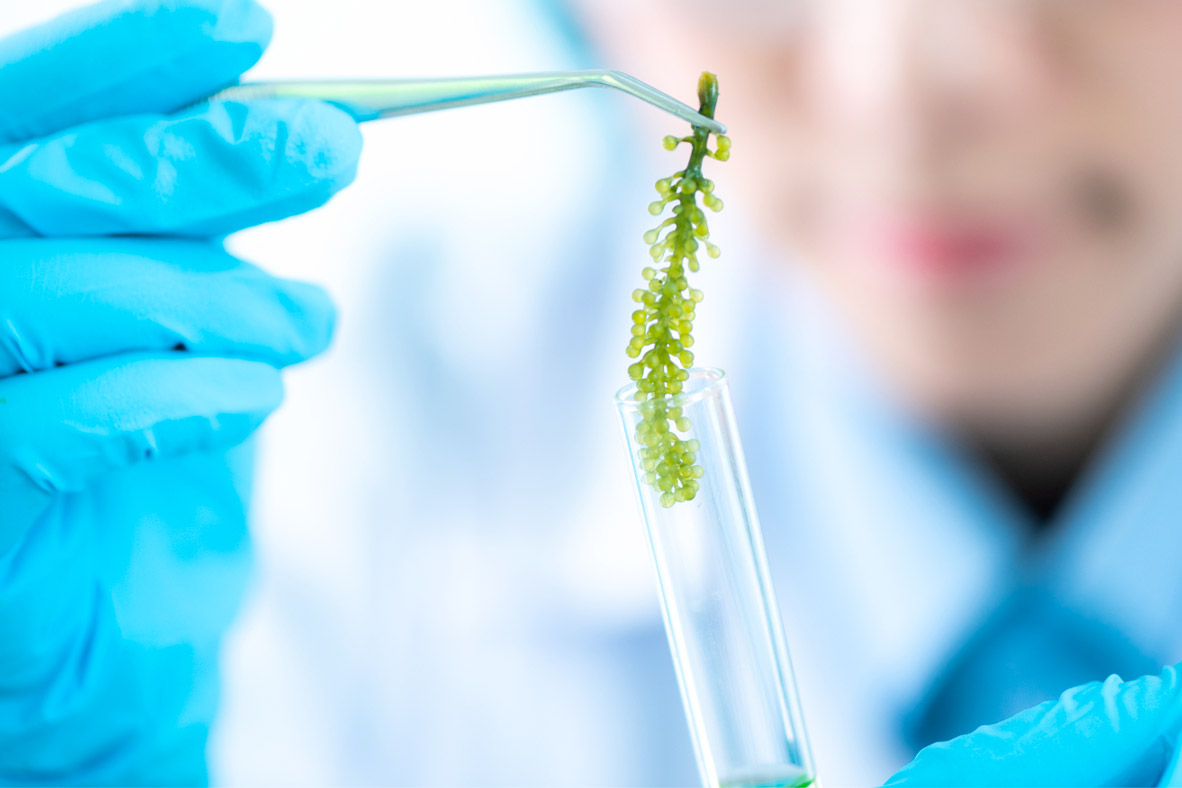
The Spanish plastics technology centre AIMPLAS is developing recyclable barrier coatings derived from microalgae as part of the European research initiative MULTIPLY, a Horizon Europe-funded project aimed at advancing bio-based materials across several industries.
Launched in June 2025, the project brings together 17 partners working to scale up ten innovative solutions based on microalgae. The initiative targets five sectors (food, animal feed, cosmetics, lubricants and packaging) with the broader objective of replacing fossil-based and food-derived ingredients with sustainable alternatives.
Within the consortium, AIMPLAS is focusing on packaging applications by developing functional materials obtained from compounds and polymers extracted from microalgae. One of the key goals is to formulate recyclable barrier coatings for paper substrates capable of providing water and grease resistance.
Such coatings could offer a viable alternative to conventional paper-polyethylene multilayer structures, which are widely used in food packaging but often present recycling challenges due to their composite nature. By replacing fossil-based polymers with bio-derived components, the technology could support both improved recyclability and reduced environmental impact.
The MULTIPLY project is exploring five species of microalgae (including diatoms, Arthrospira (Spirulina), Tetraselmis, Nannochloropsis and Chromochloris zofingiensis) to create a range of high-value products. Besides packaging materials such as coatings and films, these organisms may also enable applications like natural food colourings, cosmetic oils and bio-based lubricants.
In parallel, AIMPLAS is contributing to the development of active cosmetic packaging integrating microalgae-derived compounds. These materials could enhance product stability while reducing the need for preservatives in cosmetic formulations.
The next phase of the project will involve pilot activities, including nutrient recovery processes and the testing of new monitoring tools. Initial algae extracts and oils are also expected to be delivered for product development as the consortium moves from laboratory research towards industrial validation.
Beyond the technical work, the partners will conduct sustainability assessments and market acceptance studies to evaluate the commercial potential of algae-based materials. If successful, the initiative could help establish microalgae as a scalable feedstock for next-generation bio-based packaging and contribute to Europe’s transition towards a more circular materials economy.