
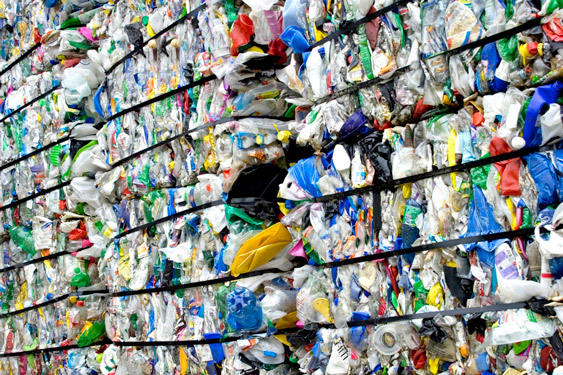
Every European generated 35.3 kilograms of plastic packaging waste in 2023: the highest amount ever recorded, according to the latest Eurostat data. Despite growing awareness and stricter regulations, the numbers reveal a paradox: while recycling systems have expanded, the total amount of plastic packaging waste has increased by 26% in just ten years.
A Growing Disparity in Europe
The Eurostat report highlights sharp contrasts across the continent. Countries such as Germany, the Netherlands, and Denmark report some of the highest per-capita generation of packaging waste but also the most advanced recycling systems. In contrast, France and Malta still struggle to meet EU recycling targets, with rates below 30%.
Overall, only 41% of Europe’s plastic packaging waste was recycled in 2023, a figure that underscores the persistent gap between collection and effective material recovery.
Beyond the Numbers: Pressure on Industry
For the packaging industry, these figures are more than environmental statistics: they signal a structural shift in market expectations. Under the forthcoming EU Packaging and Packaging Waste Regulation (PPWR), manufacturers will face stricter design-for-recycling criteria, mandatory recycled content thresholds, and expanded producer responsibility obligations. This regulatory push is accelerating innovation in monomaterial solutions, lightweighting, and bio-based alternatives, as companies seek to reduce plastic dependency while maintaining functionality and compliance.
Innovation and Circularity
Across Europe, converters and brand owners are investing in advanced recycling technologies, digital traceability, and closed-loop systems to improve circularity. From polypropylene-based laminates to mechanically recycled PET for cosmetics and pharma, new materials are entering the market at scale.
However, experts warn that material innovation alone will not solve the issue. Improving collection infrastructure, harmonizing recycling standards, and fostering consumer participation remain crucial to achieving true circularity.
A Call for Systemic Change
As the EU moves closer to implementing the PPWR, the 35.3 kg figure stands as a stark reminder of the scale of the challenge.
Reducing plastic packaging waste will require not only technical innovation but also a cultural and systemic transformation, where design, legislation, and consumer behavior align toward the same goal.
The packaging sector is at a crossroads: balancing performance, cost, and sustainability will define its competitiveness in the decade to come. And the data from Eurostat make one thing clear: the time for incremental change is over.

