
Flexible packaging is no longer just a trend: it is becoming the new standard for innovation, sustainability, and efficiency across industries. With the global market poised to surpass $350 billion by 2030 (ResearchAndMarkets.com), the spotlight is firmly on flexible solutions as brands rethink the way they package, protect, and present their products.
Emerging Trends in Flexible Packaging
Sustainability is no longer a bonus — it’s a mandate. The call for recyclable, compostable, and reusable materials is reshaping the entire packaging industry. Companies are moving swiftly towards mono-material designs, and alternatives like PLA, PHA, and cellulose-based films are gaining traction (NatureFlex). Stonyfield, for example, has made headlines by switching to mono-material pouches aimed at improving recyclability while meeting strict sustainability goals.
Efficiency is another driving force behind flexible formats. Lightweight, resource-saving materials are allowing brands to slash transportation costs and carbon emissions. Studies show that switching from rigid to flexible packaging can reduce logistics costs by up to 70% (Flexible Packaging Association), making it not just an environmental decision, but a smart financial move too.
Meanwhile, personalization is evolving from a marketing luxury to a necessity. Digital printing enables brands to launch localized campaigns, seasonal designs, and even personalized products with greater speed and agility. Coca-Cola’s personalized bottle labels campaign is a testament to how customization can spark consumer connection at scale.
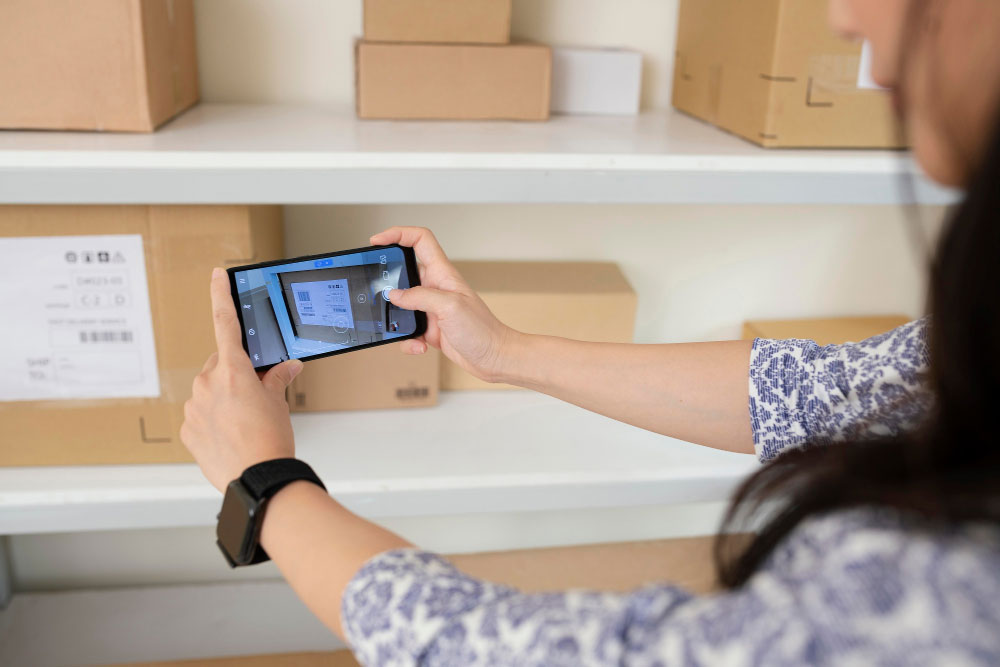
Technology is also redefining packaging itself. Brands like Nestlé are integrating QR codes to deliver real-time traceability information, building consumer trust and complying with growing transparency regulations. Smart packaging, featuring NFC, RFID, and freshness sensors, is quickly transforming flexible formats into interactive touchpoints between brands and consumers.
Technological Innovations Driving the Future
The race to move beyond traditional plastics has ushered in a wave of material innovation. Polylactic acid (PLA), made from renewable resources like corn starch, offers compostability but struggles under humid conditions. Polyhydroxyalkanoates (PHA), produced via microbial fermentation, promise marine biodegradability, positioning themselves as a game-changer for single-use items.
Polybutylene succinate (PBS) delivers impressive heat resistance and biodegradability, making it a strong candidate for food packaging. Meanwhile, cellulose-based films like Futamura’s NatureFlex™ are setting new standards for oxygen barriers in compostable packaging, already adopted for coffee, snack, and fresh produce packs.
Algae-based innovations from startups like Notpla and Sway push the frontier even further, offering biodegradable and even edible solutions. Nestlé, PepsiCo, and L’Oréal are among the major brands piloting these next-generation materials, balancing sustainability ambitions with real-world performance requirements.
However, scaling up bio-based materials comes with challenges: limited barrier properties, significantly higher costs (up to 50% more than conventional plastics), and a fragmented recycling and composting infrastructure. Moreover, inconsistent labeling often leaves consumers confused about how to dispose of “green” packaging, undermining environmental goals.
Flexible Packaging Challenges
Despite the momentum, flexible packaging still faces notable obstacles. Recycling facilities worldwide are often ill-equipped to handle lightweight, multilayered flexibles. The technical challenge of combining high-performance barrier protection with recyclability remains a major R&D focus.
Public understanding is another hurdle. Without clear labeling and education, even the most sustainable packaging risks ending up in landfill, highlighting the urgent need for harmonized standards and consumer outreach.
What to Expect in 2025 and Beyond
The next five years will be transformative. Under the European Union’s Packaging and Packaging Waste Regulation (PPWR), by 2025, all packaging must be recyclable or reusable. Minimum thresholds for recycled content — such as 25% post-consumer recycled (PCR) content for PET bottles — will become mandatory, and flexible formats are expected to follow.
Meanwhile, the global e-commerce boom shows no sign of slowing down. By 2027, online sales are forecasted to account for over 23% of global retail transactions (eMarketer). This surge will amplify the demand for flexible formats that are both ultra-durable and lightweight, capable of withstanding the rigors of last-mile logistics without excess packaging waste.
Smart packaging will continue to evolve, merging digital engagement with sustainability. Expect QR codes, blockchain traceability, and even embedded freshness sensors to become standard features, offering brands new ways to differentiate while ensuring transparency and compliance.
“Flexible” is more than just a word
Flexible packaging is not just adapting to market demands — it’s actively setting the pace for the industry’s future. Brands that invest now in smarter materials, greener technologies, and connected packaging will not only meet regulatory deadlines but also secure a lasting competitive edge.
In a world where consumers expect both sustainability and convenience, flexible packaging stands out as the format best positioned to deliver on both fronts. The next chapter is already being written — and it’s flexible, smart, and sustainable.

